
Below is a selection of recent news highlights featuring members of Vermont Law and Graduate School’s faculty and staff.

A Wildlife Regulator’s Family Business Had a Permit to Renew. She Stepped In.
July 1, 2026
The New York Times
Delci Winders, director of the Animal Law and Policy Institute, was asked by The New York Times to review the permit applications for a Florida animal breeding facility to raise lemurs in captivity. She is also quoted about the poor setup for the lemurs at the facility.
Why Trump’s Move to Gut the Endangered Species Act Likely Won’t Hold Up in Court
July 17, 2026
The Conversation
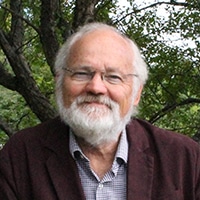
Pat Parenteau, professor of law emeritus and senior fellow for climate policy, wrote about the U.S. Department of Interior’s recent rescinding of the “harm rule” under the Endangered Species Act, removing language that has protected species from losing millions of acres of habitat.

DOJ’s Environmental Enforcement Has Collapsed in the Second Trump Administration, Former Attorneys Say
July 28, 2026
Inside Climate News
Sean Donahue, adjunct professor of law and former environmental attorney with the Environment and Natural Resources Division of the U.S. Department of Justice, commented on the dramatic departmental changes since the beginning of the second Trump administration.
VLGS Graduates Inaugural Parenteau Climate Action Fellows
July 28, 2026
VermontBiz
Inaugural Parenteau Climate Action Fellows Rachel Westrate and Terrence Neal have finished their yearlong stint at the Environmental Law Center, conducting academic, legal, and policy research and working directly with student clinicians.
Map Shows States Where Nuclear Waste Could Be Stored Under Trump Plan
July 28, 2026
Newsweek
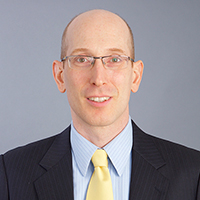
Under a new proposal by the Department of Energy to accelerate nuclear energy development, five states could store tons of nuclear waste. Mark James LLM’16, director of the Institute for Energy and the Environment, is quoted about areas of the plan that still need to be resolved.

Should You Still Be Worried About Getting Cyclospora?
July 29, 2026
Marketplace
Laurie Beyranevand JD’03, director of the Center for Agriculture and Food Systems, weighed in on the cyclospora outbreak in the U.S. and discussed ways to protect yourself.